Handwritten Annotations on Scanned Documents Are Finally No Longer Mistaken for Main Content
LlamaIndex's Extract v2.5 has further boosted the accuracy of document extraction, especially for scanned documents, long lists and cross-page records. It is actually more affordable now, and also comes with precise citation positioning.
When large models process scanned documents, they often mistake handwritten annotations for the main content. LlamaIndex's Extract v2.5 solves this specific problem this time.
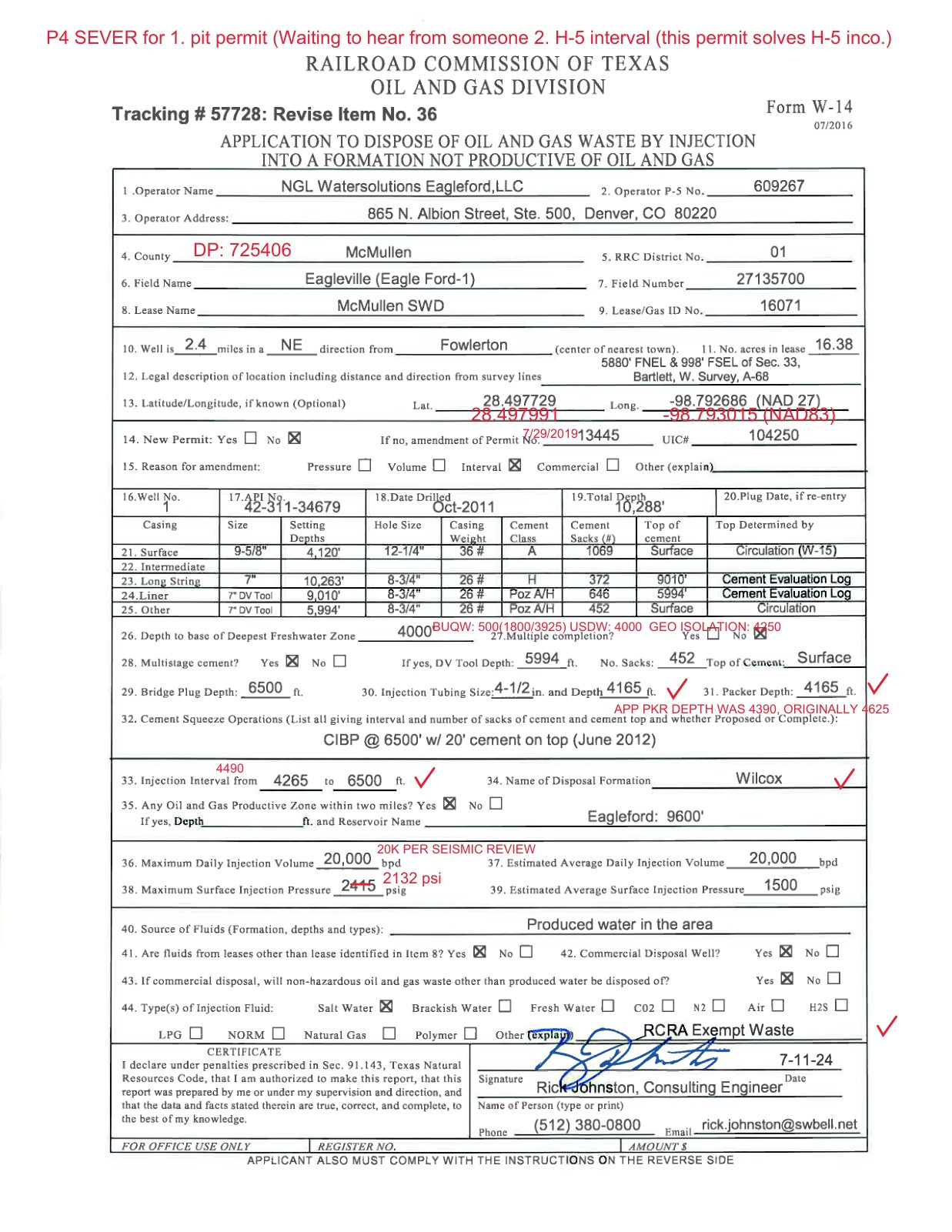
Take a license with handwritten annotations as an example: v2.5 can extract both the original license number and the date from the handwritten annotation, and each value is mapped to the exact position in the source file. Anyone with a development background knows this work used to rely on regular expressions or manual proofreading, but now it can be handled directly by an agent.
The accuracy improvement is significant. On ExtractBench, a benchmark test for document extraction, the accuracy of the Cost Effective tier increased from 87.1 to 93.9, Agentic increased from 89.8 to 95.8, and Agentic Plus increased from 95.1 to 96.4. Note that Cost Effective now outperforms the previous version of Agentic. The improvement is even more dramatic for long lists: in a 17-page fund document, only 87 out of 238 positions were extracted previously, while v2.5 extracts all of them, pushing the score from 52.8 to 98.7.
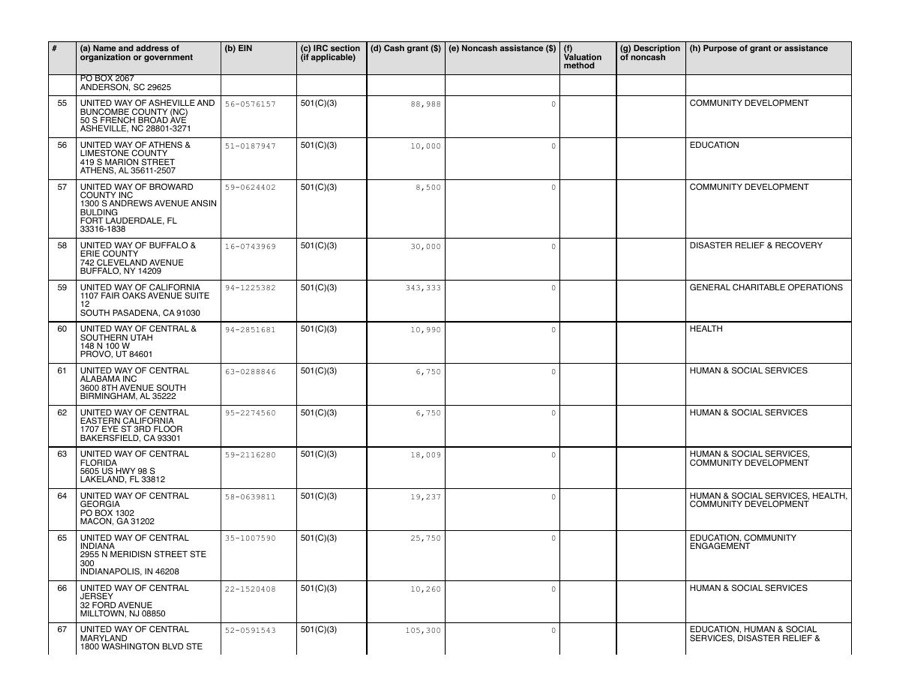
Cross-page records have also been improved. For example, for a grant schedule, v2.5 can complete cross-page addresses and purposes instead of stopping at page boundaries.
This version has two key improvements. First is Structural Reasoning, which adaptively adjusts extraction strategies based on document type, layout, and information density. Simple documents are processed faster, while more complex documents get more processing resources. Second is Advanced Citations, which locates extracted values to the bounding box of supporting evidence, even when there is no verbatim match in the document. Put simply, every answer can point to its exact location in the original text. The grounding score for Agentic increased from 46.8 to 80.6, and for Agentic Plus it increased from 46.4 to 82.2.
Scanned documents are the focus of this release. In the demo below, v2.5 separates the review date from the license number, and separates the reviewer note from the aquifer depth. Each value is positioned to the exact location in the source file.
In terms of pricing, according to ExtractBench data, it is 30% to 4 times cheaper than Opus 5.5 and GPT-6 Sol. That means even the more affordable tier outperforms comparable models in accuracy.
After seeing the announcement, some developers commented that the custom parsing script they spent three weeks building can finally be retired. Others have criticism for the pricing model, saying that a monthly subscription is not flexible enough. But regardless of that, there is now a much more hassle-free option for document extraction work.
Extract v2.5 is already live on LlamaParse, available via LlamaCloud, and also supports CLI and Python SDK. If you want to test it, just run your existing schema on complex documents to see the result.
[Blog](https://www.llamaindex.ai/blog/introducing-extract-v2-5) | [LlamaCloud](https://cloud.llamaindex.ai/)
发布时间: 2026-10-05 04:37